

“Creative work is not better because someone suffered to bring it to life.”
The money interview with Anna Brones.

Hi and welcome. I’m so happy you’re here.
Thank you so much for the lovely response to last week’s relaunch. I was very nervous to post, but I needn’t have been. I should have known!
A subscriber did tell me that the name change sent my email to spam and then I noticed my own emails had gone to spam, so check yours just in case. But if that’s the case, you probably won’t see this. That is a conundrum.
No update from me this week - I have a bit more family financial history to share but a LOT of papers to go through to find it and I haven’t had a chance and then after that, I’m going to be writing about how I ended up doing a paper round in my fifties and why I love it so much.
If you’re not a paid subscriber, I’d love it if you’d consider upgrading. Every paid subscription supports me and my writing, my boys and my cats.
Thank you!
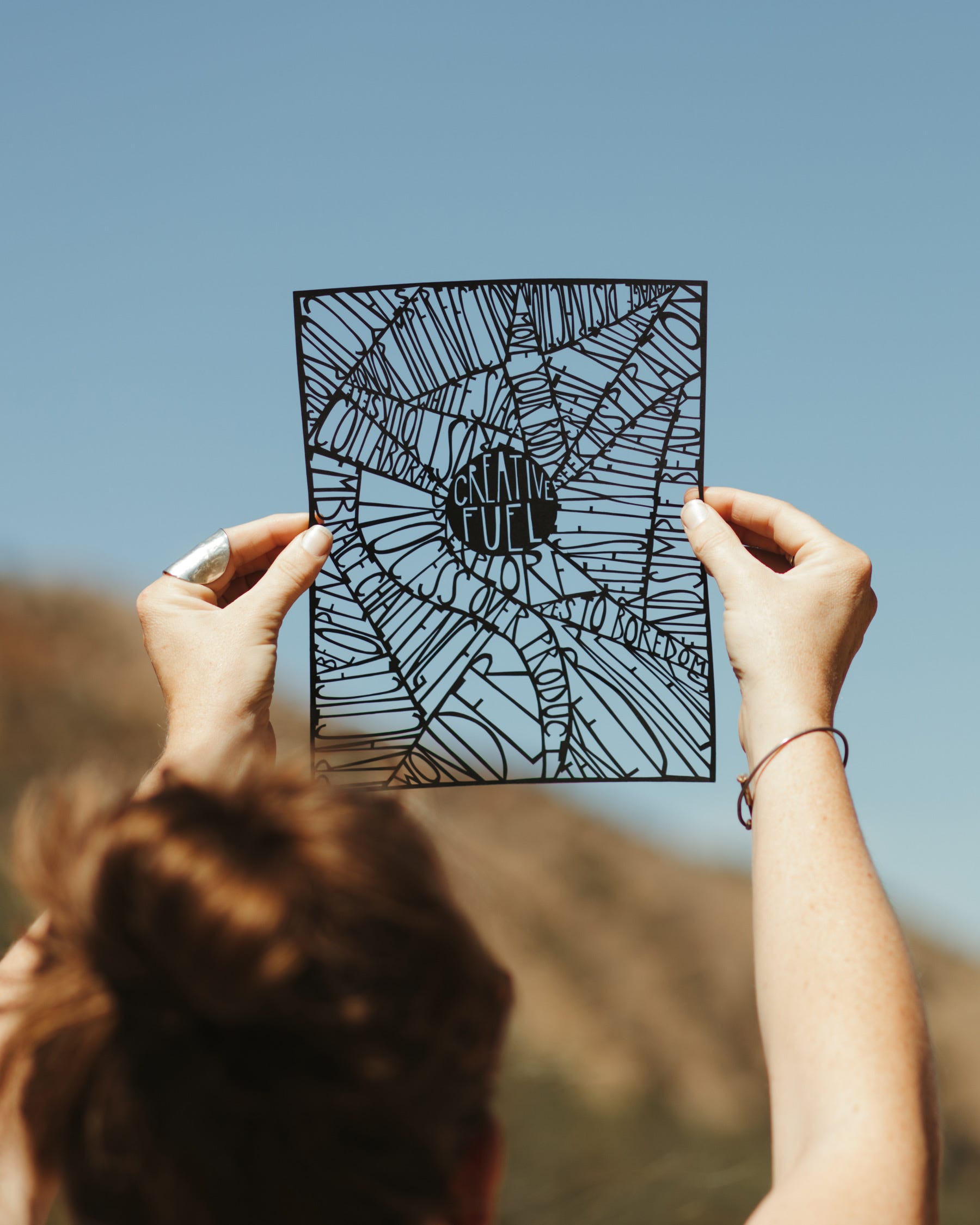
The money interview with Anna Brones (featuring some of Anna’s beautiful work).
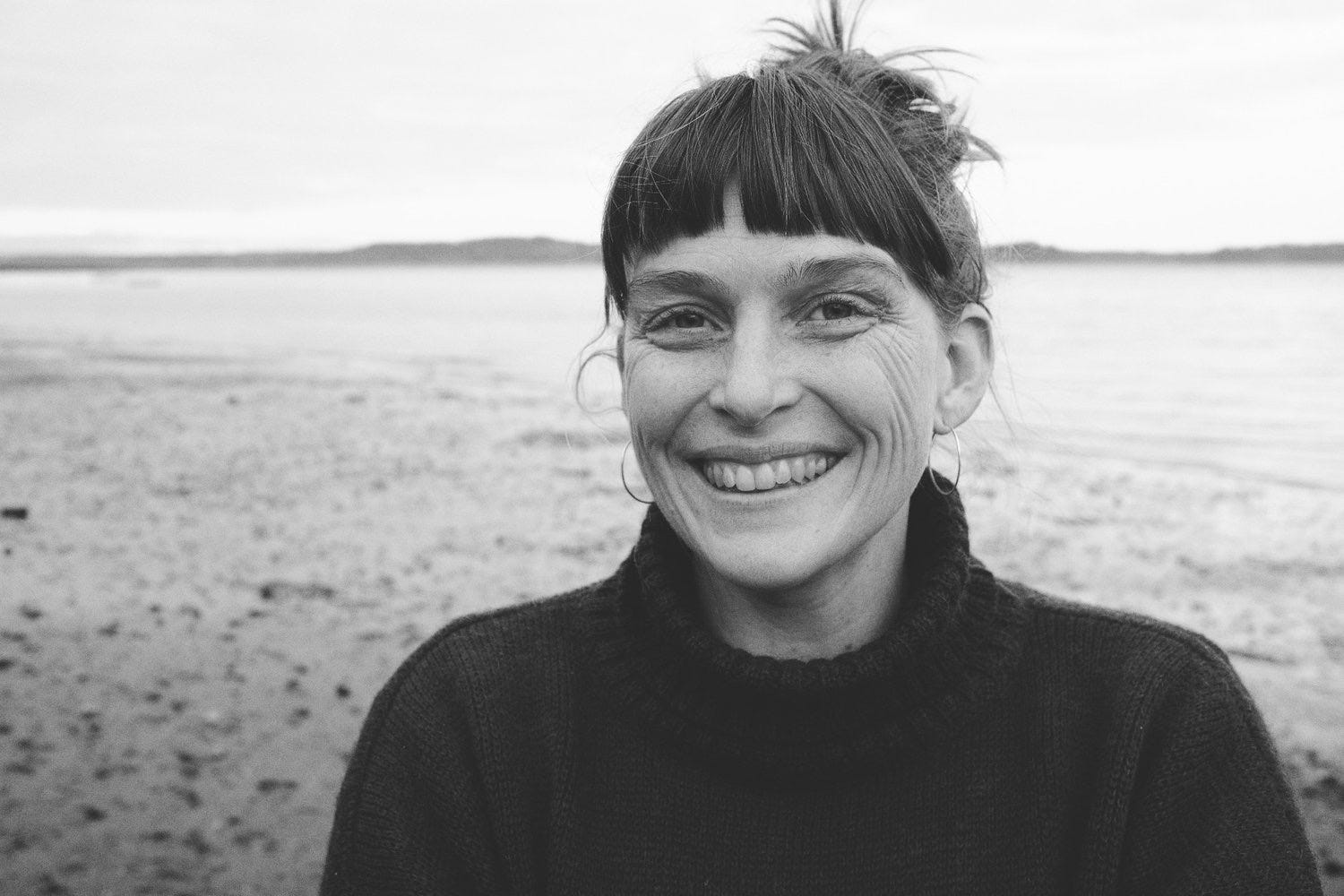
Anna Brones is a writer, artist, and educator based in the Pacific Northwest.
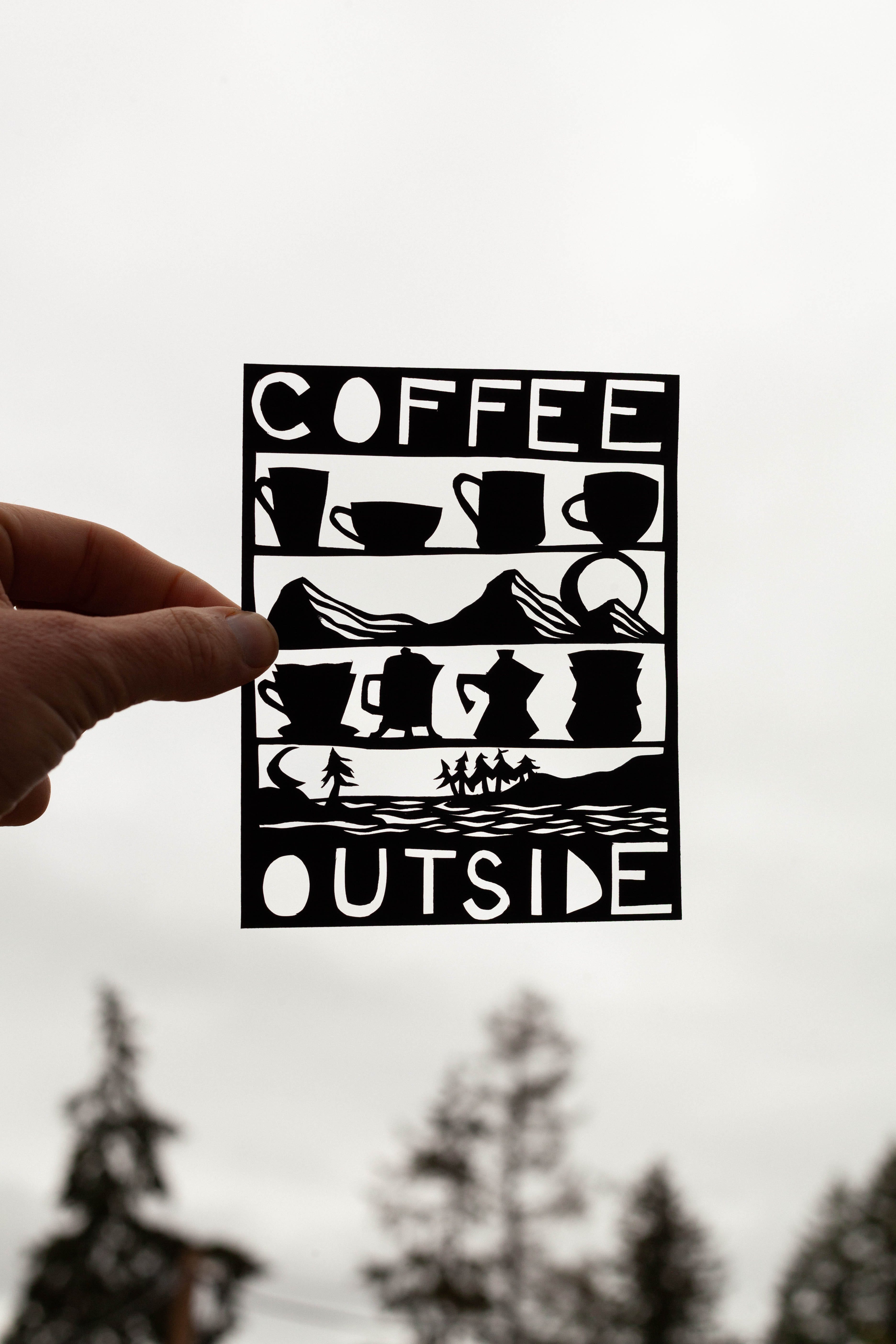
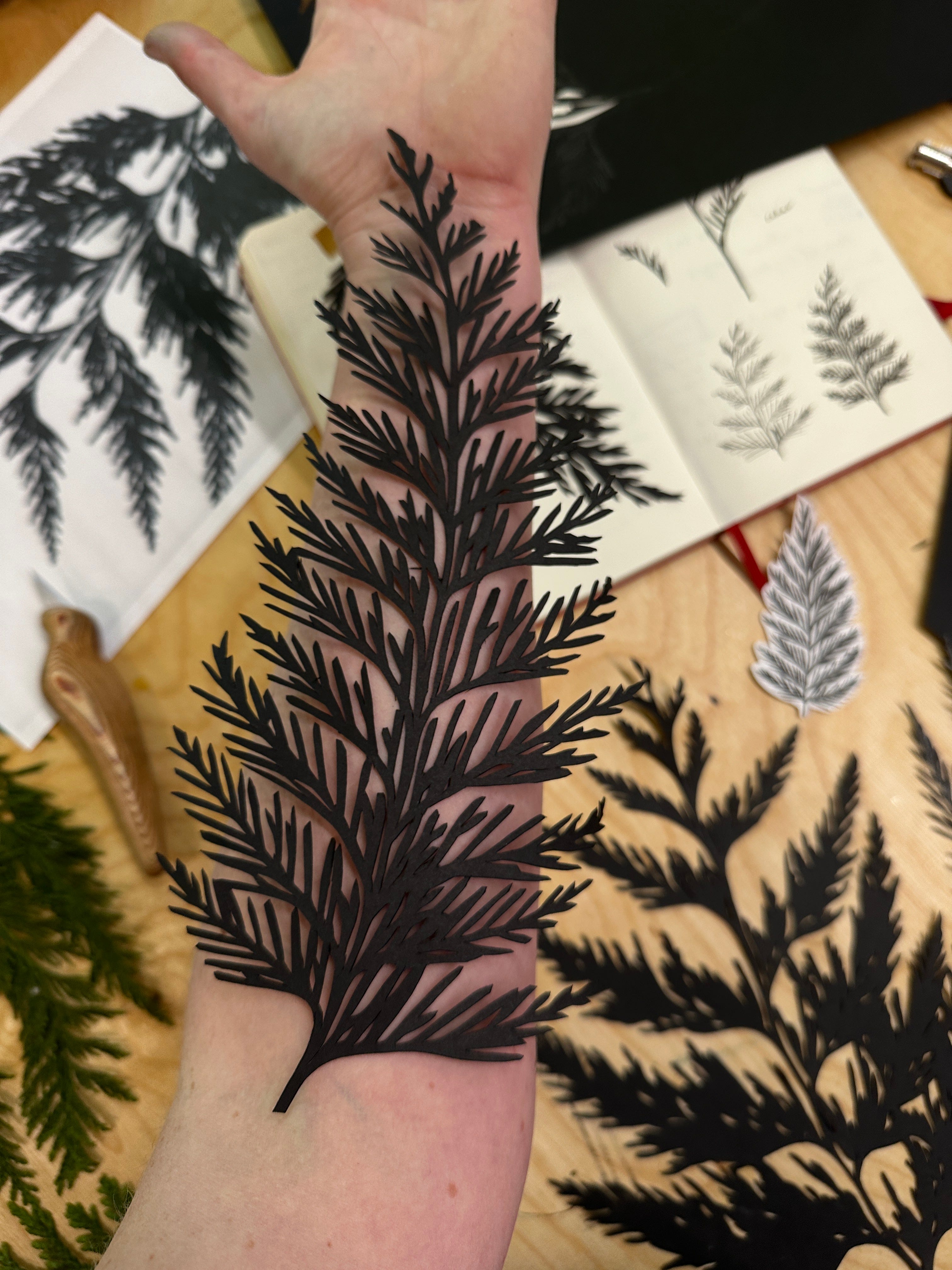
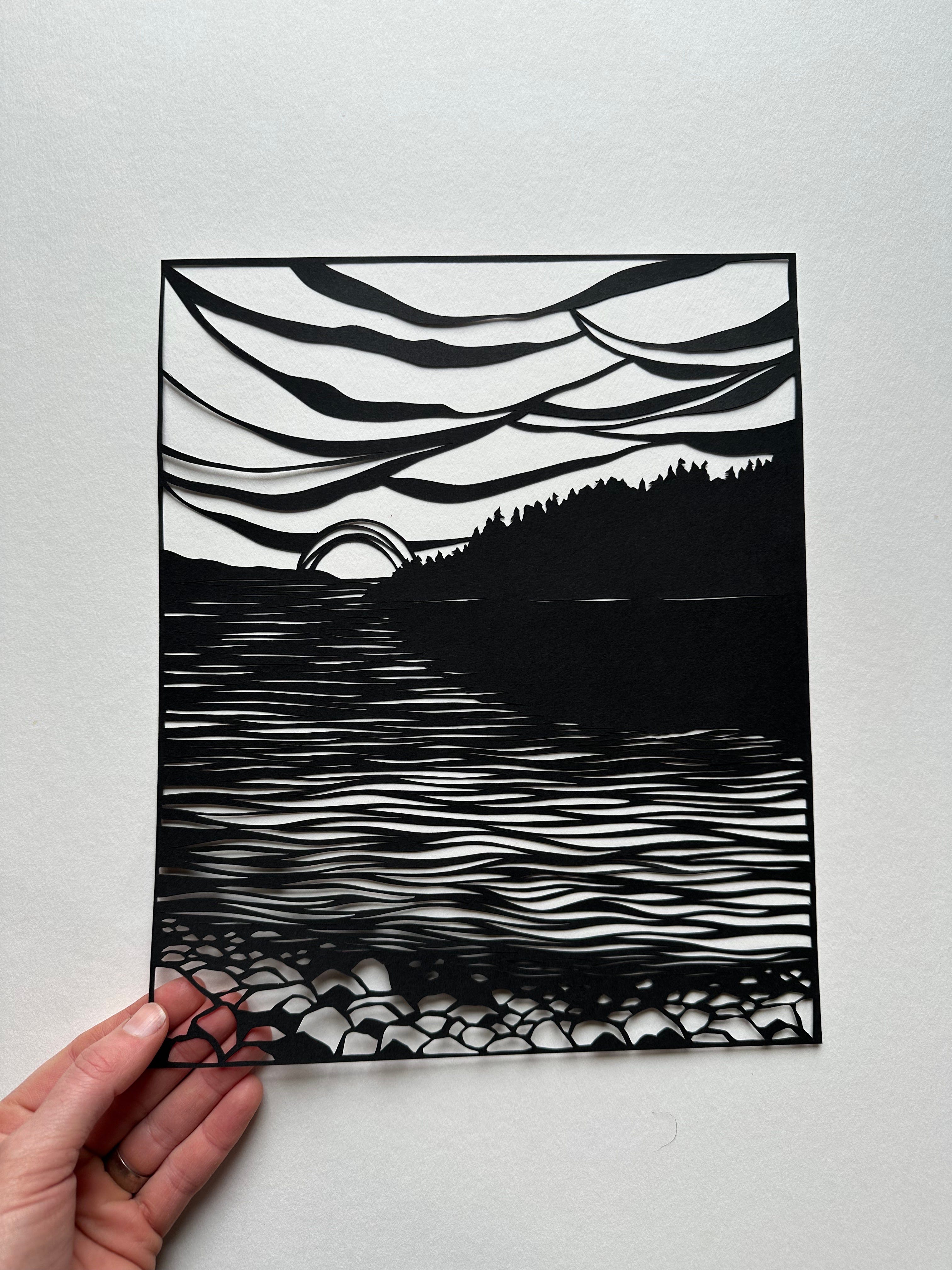
She works as a papercut artist, hand cutting illustrations from single pieces of paper, and is the author of several books including Fika: The Art of the Swedish Coffee Break.
She also produces Creative Fuel, a newsletter devoted to exploring the intersection of creativity and our everyday lives, and leads art and creativity workshops.
She is currently working on her next book Cold: Lessons of Place, Presence, and Practice (Knopf, 2027).
What is your relationship with money currently?
Up and down. I’ve been self-employed since 2013, and despite having made it work for over a decade, there is the constant underlying question “how do I make money as a creative?”
I’ve always had a mix of income streams, which is the only way that I know how to make a creative business work. My main ones right now are online shop sales and wholesale, newsletter, and the book advance for the book that I am currently working on.
I’ve been working on this book since 2024 and I’m so thankful that it was a significant advance—I was shocked when the offer came in. I calculated out how long it would take me to write the book (I figured 18 months, I’ve now been working on it for 25… but who’s counting) and then calculated how much that would be monthly.
Paired with my newsletter and shop income, it was the first time in my life that I was able to have a regular income and didn’t need to worry about scrambling together an assortment of projects.
Since those installments come in four chunks, I am kind of scraping the barrel right now so it will be really nice when this manuscript is finalized and the next part comes in.
As writers and artists, society tells us that we shouldn’t expect much—the “starving artist” trope just continues to stick around.
Even if we don’t believe that message, it’s really easy to internalize. This can even lead to feeling shame when you’re adequately paid for the work you’re doing.
At the end of the day, most writers I know just want enough money to be able to write the next book, and most artists want enough money to keep making the work they love making.
But why do we feel we aren’t allowed to have incomes that allow for comfortable lifestyles?
While the need to make money can be a creative constraint just like a tight deadline, the stress of feeling like you’re constantly on the edge does not make for good work. Creative work is not better because someone suffered to bring it to life.
Back to my own business: I am proud of what I have built and I have worked really hard to get it to a place where it at least feels semi-stable.
I am also the primary income earner in my household, so this adds an extra level of stress, and both my husband and I work for ourselves. There’s not a fulltime salary or benefits in our household to fall back on.
Living in the US, healthcare and health savings are always at the back of my mind, a kind of low grade stress that never really goes away—there’s a constant voice in my head that says “what if something happens to you?”
I do have enough money for indulgences—I buy the nice cheese! I spend a silly amount on coffee beans! I go on international trips!—but I also feel entirely behind on some of the signs of “success” that are common in my age group.
I am 42 and don’t own a house. I moved back to the area where I grew up, and it feels almost impossible to be able to afford anything around here.
I can tell myself all day long that money doesn’t define someone’s worth as a person, and yet I can easily spiral when I compare myself to my friends or think about what the future looks like.
When you work for yourself, it’s easy for a scarcity mindset to be your baseline. Even in the moments when you’re doing well. You never know when the rug will be pulled out from underneath you. You are constantly thinking “this could change at any moment.” I have come to know that feeling well, and I’m ok managing it, but it’s certainly not for everyone.
On the other hand, working for myself also means that I have a fairly slow, quiet life that I get to live on my terms. I don’t have to show up at an office, I don’t have to use Slack. I can take the afternoon off if I want to. I’m not willing to give that up.
What’s your earliest money memory?
One time at the grocery store when I was maybe 6 or 7, I was put in charge of paying. It wasn’t my money, I think my mom had just given me the right amount and was letting me pay so that I could learn what that felt like.
When I handed over the money to the woman working at the checkout, I got very confused because I did not get any money back. I did not understand the concept of “change” yet. I just thought that when you bought groceries, you were also given some money!
What advice would you give your younger self about money?
Sell out and go corporate at a young age so you build some wealth and then bail to become an artist and writer!
Kidding, kidding.
But there is a part of me that wishes that I had worked a more significant “real” job earlier in my life to build a little more of a financial buffer.
I would also tell my younger self to learn more about personal finance and develop financial literacy. I think if I had paid a little more attention when I was younger, I would have saved a little bit more. Compound interest!
That’s easy to say, but I also can’t imagine having gotten to where I currently am professionally without doing all the fun things I did in my 20s and early 30s and I wouldn’t give any of those experiences up.
Money has never been my primary focus, interest, desire, or way that I define success. That being said, I think that we do ourselves such a disservice when we say “I’m bad with money!” Particularly those of us in creative fields.
Instead of getting down on ourselves, we should be asking why as a culture we don’t value creative labor.
The monetary system that we function in wasn’t made for us. It’s no surprise that it continually feels so difficult.
I just finished reading a book called Cults Like Us, and in the context of billionaires with mass wealth and power, the author wrote about using the term “taking money” instead of “making money.” I appreciate that framing and am trying to employ it more.
A lot of us are trying to scramble for scraps, and feel a lot of shame around money and putting a financial value on our work. Meanwhile other people are exploiting workers, ruining the planet, and buying mega yachts, and their fifth home. We need a mass, systemic overhaul.
What’s the biggest money mistake you’ve made?
I’ve never made any big purchases I regret, but looking back, I do wish that I had been more diligent about putting small amounts aside in a savings or investment account.
What’s the best thing you’ve ever spent money on?
Boring answer: our car was totaled a few years ago, and we decided that we would switch to an EV. It was the first time in my life I had a car loan, and it felt like such a big investment at the time. I am thankful for that car every single day now, particularly now as petrol prices skyrocket.
Fun answer: every single trip I’ve ever been on.
How are you planning for retirement?
I have never worked a job with benefits, which means that I have never worked a job that offered 401ks or any kind of matching program. This is one of the real drawbacks of working for yourself.
When I started my first business in my early 20s, I had an acquaintance who was a financial planner. He encouraged me to start a Roth IRA1 and I am glad that he did. For many years I just put what I could in it, but now I put enough in every month so that it maxes out every year. That acquaintance ended up being a real jerk, but at least I got a retirement account out of it.
Now I have a financial planner who lives locally, and my favorite thing about him is that he never makes me feel any guilt or shame about where I am at.
I know a lot of people would say that if you can manage your investments on your own, you don’t need a financial planner. But that’s not something I am interested in doing, so it’s either have a financial planner or do nothing. He encouraged me to open a SEP IRA2 two years ago, and if my business makes extra money I try to put it in there.
This all feels good, particularly as a self-employed writer and artist, but then sometimes when I read about how much someone has in their savings account in The Purse’s Home Economics newsletter it all feels laughable. I’m not going to change things overnight though, so I just plug along and do what I can. I think this is what most of us are doing.
I don’t really do any detailed long-term retirement calculations, it’s definitely a little bit of “do what you can and hope for the best.”
I do wonder what retirement is going to look like for my generation. There is so much uncertainty, so in many ways, I think there isn’t a way that you can actually plan.
I would hope that in my later years I have enough to be able to feel a relative level of quiet and calm. I don’t want to feel chronic anxiety of waiting for the rug to be pulled out from underneath me.
In an ideal world, I would love to have enough to work on the projects that I want to but not have them have the pressure of making money, be in my garden, drink coffee, buy the occasional extravagant ingredients to make meals for friends, go on a trip or two.
What would you do with £10,000 (or local equivalent)?
My husband has been building me a studio on my parents’ property and it’s functional and usable but still needs an assortment of things to be fully completed. I would put it towards getting that finished.
When I finished drafting the answers to all of these questions, I sent them a close friend to proofread (another essential thing you need if you work for yourself: people you trust to weigh in on your work), and she texted back, “Excuse me that $10,000 is for our trip to Paris.” I guess that’s settled then!
What little luxury could you get with a tenner?
This time of year, my favorite little luxury is going to the local nursery and buying a plant. An immediate mood booster!
I just bought a couple of marigolds the other day for this exact purpose. Then you plant them and extend that mood boost for months.
If you were me, what would you want to ask women about money?
Whenever I talk to friends, there is often so much shame wrapped up with money.
We feel bad about what we have and haven’t done, we feel shame about the number in our bank accounts, we feel shame for not having spent enough, and we even feel shame when we have more money to spend.
Where does that come from? How do we manage it? I would be curious to learn how different women manage their own money shame and work through it.
Thank you, Anna!

https://www.irs.gov/retirement-plans/roth-iras
https://www.irs.gov/retirement-plans/plan-sponsor/simplified-employee-pension-plan-sep
Love the relaunch and obviously I also love Anna 🤍
Delighted to read this - Anna is so damn smart, and so honest about how to make creative work financially sustainable, and I don't know anyone else who is working with such integrity in this brutal and frequently ridiculous line of work.